eSIMs, or embedded SIM, is integration of the SIM hardware into a phone. Instead of installing a physical SIM card a phone has similar hardware integrated into itself with rewritable memory. To update the SIM a new byte stream containing the updated program or data can be transferred to the embedded SIM hardware. Most material I come across about them characterize them as providing a way to manage phones with more ease and an overall improvement. They are described as being managed with ease. All that one needs is to ensure their phone software is up to date, that you have an Internet connection, and that you select a few menu options to add or move an eSIM to a phone. I see these requirements as a vulnerability and a loss in flexibility. For a physical SIM, the most challenging step is locating a paperclip or SIM ejection tool.
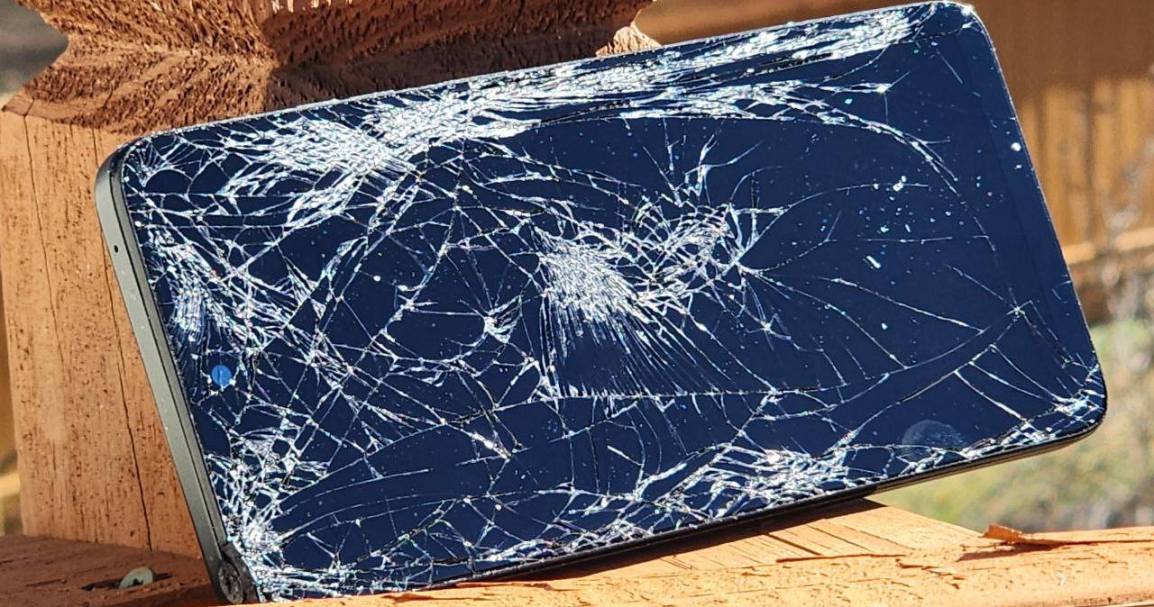
I already had this disposition, but I got to experience it after someone’s phone was destroyed in a car accident. The person generally relied on the contacts feature of their phone to call people and didn’t actually know the important phone numbers1. I took the person’s phone and told them “to reach me, call your phone number. I will put the SIM card in another phone.” I arrived home, opened the SIM tray, and found it empty. Suddenly, I realized this was going to be more complicated than I thought. The steps needed to transfer an eSIM were completely accessible. One cannot run the eSIM transfer app on a phone with a pulverized screen and will not turn on. The person that managed the phone account lived in another state and I had never had direct contact with them before.
I found the person’s contact information and contacted them. That started an exercise of trying to establish trust with a person that thought that I might be a scammer. That exercise is worthy of its own story. But I established trust. The carrier told us that for what we needed to do, someone authorized on the account had to physically be in a store. Since we were located on opposite coasts, that solution opened up the possibility of a SIM being activated and mailed to my posts. That’s not a desirable solution. For a more expedient resolution, the person added me as an authorized person on the account. I went to a carrier location to start the transfer. This was complicated by the carrier wanting to send me a text message with a validation code. The carrier sent the message to the phone that was destroyed! To validate, I had them send the validation message to the person that was on the opposite coast, called them from my own phone, and retrieved the validation code, and got the account transferred to the SIM. FINALLY! An actual, physical, SIM!
The phone I use has capabilities for eSIM, as does my smartwatch. But I prefer to use a physical SIM because it allows me more freedom in moving service to another phone without the carrier being the middleman. I’ve been in other scenarios where I’ve needed to temporarily move service to another device. Usually, when I travel, I have an extra (usually older) phone that doesn’t have service. If my primary phone were damaged or failed (it’s happened once before) I would move the SIM to the other phone. I have a parent whose battery started to swell, and the phone shut down. In all these scenarios, the ability to move the SIM card offered a same-day solution. The solution that requires another entity be involved adds failure points that I would rather not be subject to.
- Having run into other people that have found themselves in this scenario, I only call my most important people by dialing their numbers from memory to better ensure that I do not forget them. ↩︎
Posts may contain products with affiliate links. When you make purchases using these links, we receive a small commission at no extra cost to you. Thank you for your support.
Mastodon: @j2inet@masto.ai
Instagram: @j2inet
Facebook: @j2inet
YouTube: @j2inet
Telegram: j2inet
Bluesky: @j2i.net


 j2i.net